Insider Travel Tips
From ancient tribes to modern triumphs, Hungary's history is profound.
Hungary has a way of surprising even the most seasoned travellers. Beyond being home to one of Europe’s great capitals, it boasts one of the continent’s largest thermal baths, the world’s second-biggest thermal lake, and sweeping grasslands unlike anywhere else in Europe.
Most trips begin in Budapest—and for good reason. The Paris of the East invites travellers to immerse themselves in history, whether through a soak at Széchenyi Baths or a stroll along the Danube. Architectural gems abound, from the Moorish-influenced Great Synagogue to the Neo-Renaissance Hungarian State Opera House and the grand Basilica of St. Stephen.
Bordering seven countries, Hungary pairs well with Austria, Slovenia, or the Czech Republic, making it ideal for Central and Eastern European itineraries. Yet its appeal extends far beyond Budapest. It's also home to vineyards, atmospheric villages, and Central Europe’s largest lake.
A few focused Hungary travel tips can help you track down the best goulash, navigate seasonal highlights like Christmas markets, and experience icons with ease.
Plan your tailor-made Hungary vacation with Goway today.
Entry & Practical Info
Hungary is part of the Schengen Area, which means travellers from Canada, the United States, Australia, and the United Kingdom can visit visa-free for short stays (up to 90 days). Even so, it’s wise to review the latest Hungary visa requirements and ensure your passport is valid for at least six months and contains at least two blank pages. Travellers from visa-exempt countries may be required to fill out an ETIAS (Electronic Travel Information Authorization System) form before arrival in 2026.
The local currency is the Hungarian forint (HUF). While some hotels accept euros, the exchange rate is rarely favourable, so it’s best to use HUF or a credit card. Cash is useful for small vendors and gratuities. In restaurants, rounding up or leaving a 10–15% tip is customary if a service charge isn’t already included.
Hungarian (Magyar) is the official language, and while English is widely spoken in tourist areas, learning a few basic Hungarian phrases can be helpful. “Hello” is szia (SEE-ya), “please" is kérem (KAY-rem), and “thank you” is köszönöm (KUH-suh-nuhm).
For thermal baths, bring your swimsuit, flip-flops, and a towel (or buy one on site). Finally, remember to pack a universal adaptor. Hungary uses Type C and Type F plugs, with a standard voltage of 230V.
Health, Safety & Comfort
Hungary is generally a safe destination, but it’s still wise to follow basic precautions, especially in busy areas of Budapest. Stay aware of your surroundings in touristy spots, avoid flashing cash or electronics, and store your passport and extra valuables in your hotel safe.
Only use licensed yellow taxis with meters and fixed fares displayed, or rely on pre-organized transfers or reputable ride-share apps. Stay alert for common scams, such as people offering you “free” flowers or overly friendly strangers steering you to a specific bar or restaurant.
Tap water is safe to drink, and you’ll often see locals adding elderflower or sour-cherry syrups to their water bottles. If you’re exploring grasslands or wooded areas, cover up to avoid ticks. During national holidays on March 15 and October 23, avoid political rallies.
In case of emergencies, dial 112. Travel insurance is recommended for any unexpected accidents, illnesses, or theft.
Whether you’re seeking personalized Hungary travel advice or on-the-ground support, Goway’s 24/7 assistance and local guides help ensure you feel comfortable from arrival to departure.
Cultural Etiquette & Local Customs
Hungarians take pride in being punctual and polite. You’ll quickly notice that many people are reserved, tend to speak softly in public, and value calm, respectful interactions. Don’t expect immediate warmth, as Hungarians often wait until a rapport is built before they express cheerfulness.
Greetings follow formal conventions. Handshakes are the norm, and, traditionally, men wait for women to extend their hand first. Use titles and surnames until you’re invited to address someone by their first name.
Hungary is predominantly Christian, so modest attire (shoulders and knees covered) is expected when entering churches. Thermal baths are a huge part of Hungarian culture, so don’t miss out on an opportunity to experience the country’s favourite social and wellness ritual.
Weather & When to Go
The best time to visit Hungary depends on your priorities, as each season offers something different.
Spring (April to June) and autumn (September to November) are ideal for mild weather, smaller crowds, and great value. From March to June, wildflowers blanket the countryside. Fall brings golden foliage and harvest celebrations, making it ideal for winery tours and scenic hikes through national parks.
Summer (July and August) is peak season. Temperatures often reach 30°C, making it an ideal time for getaways to Lake Balaton (affectionately known as the "Hungarian Sea”). August comes alive with music festivals, such as the Sziget Festival held on Óbuda Island in Budapest and the Strand Festival, which features a mix of music, art, and entertainment at Lake Balaton.
December is also a festive time, with Budapest’s Christmas markets, ice skating rinks, concerts, and light displays drawing crowds. After New Year’s, January to March is Hungary’s low season, with quieter streets, uncrowded attractions, and better hotel deals.
Regional Highlights for First-Time Visitors
For a first-time visit, Hungary’s trio of highlights—Budapest, Lake Balaton, and the country’s wine regions—offers a perfect introduction.
Budapest
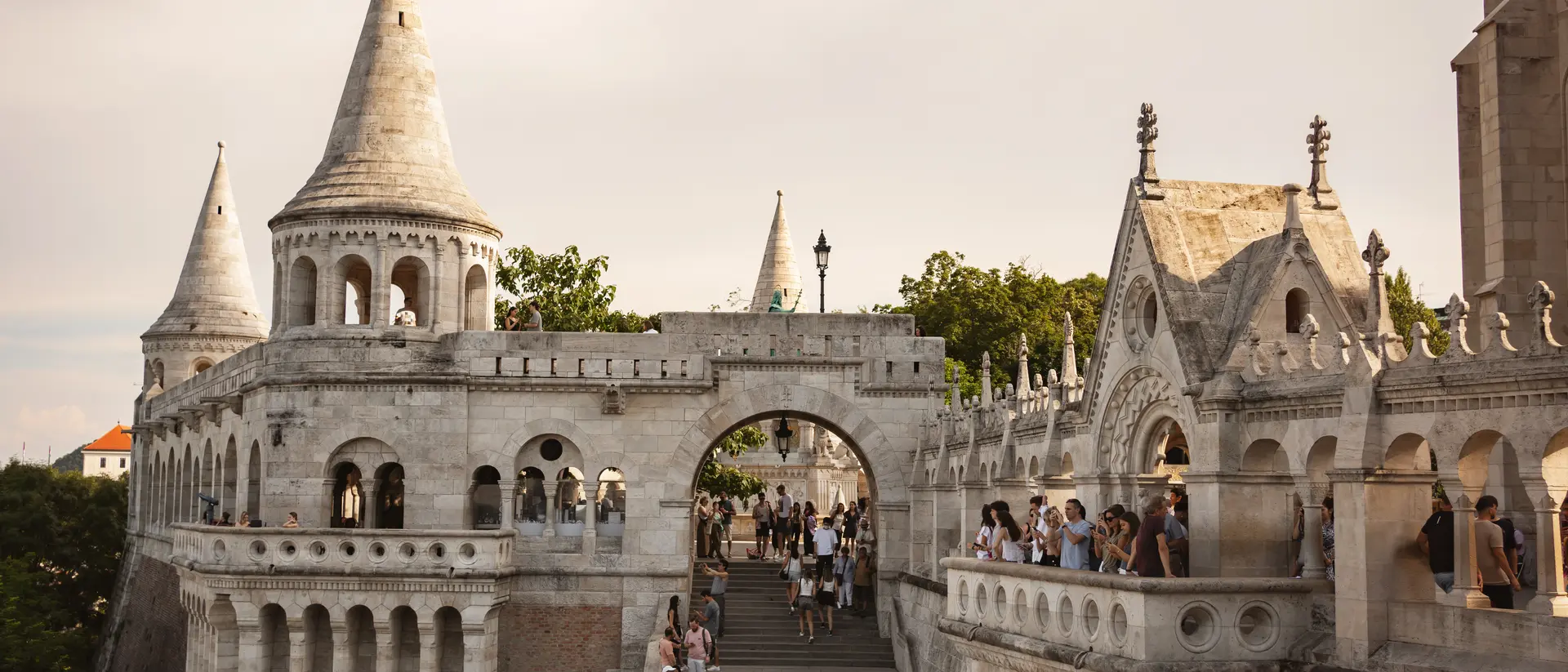
Divided by the Danube, Budapest has two different personalities. Buda is tranquil, with rolling hills and historic gems like the Castle District, Fisherman’s Bastion, and Matthias Church. Pest, on the other hand, is lively, with eclectic ruin bars, historic cafés, luxury hotels like the Four Seasons Budapest, and busy sites such as St. Stephen’s Basilica, Parliament, and sprawling City Park. Don’t miss a sunset cruise along the river or a soak in the thermal baths that earned the capital its City of Spas nickname.
Lake Balaton
Central Europe’s largest lake is about a 1.5-hour drive from Budapest and a favourite summer vacation destination for Hungarians. In July and August, its 235-kilometre shore draws watersports enthusiasts keen to sail, paddleboard, wakeboard, and kitesurf. Beyond the water, you’ll find hiking trails, vineyards, and charming villages.
Wine Regions
Many of Hungary’s 22 wine regions are easily reached from Budapest by car or organized tours. Tokaj, a UNESCO World Heritage Site, is famed for its honey-sweet Aszú wines, while Eger produces full-bodied reds like Egri Bikavér (Bull’s Blood). The closest wine region to Budapest is Etyek, known for its sparkling wines and ideal for a half-day tour.
Food & Drink Culture
Hungarian cuisine is bold, flavourful, and comforting. Many traditional dishes are meat-forward, so it’s worth double-checking ingredients if you have any dietary restrictions. Paprika (both the sweet and hot varieties), sour cream, and garlic feature heavily in many recipes.
Hungary’s national dish is goulash, a rustic beef stew invented by shepherds and cattle herders over 1,000 years ago. Chicken paprikash (chicken bathed in a creamy paprika sauce), buttery nokedli dumplings, töltött káposzta (stuffed cabbage), and lángos (deep-fried flatbread with sour cream, garlic, and cheese) are other must-try foods. For dessert, gundel palacsinta—a crêpe-like dessert with walnuts, rum, raisins, and chocolate sauce—is a crowd-pleaser.
While traditional Hungarian cooking leans heavily on meat, dairy, and flour, options for vegan, vegetarian, lactose-free, and gluten-free travellers have improved, especially in Budapest, where you’ll find many international restaurants.
Hungary’s drink culture is equally storied. Sip Tokaji Aszú, the legendary sweet “wine of kings,” or sample local tipples like pálinka (a fruit brandy dating back to medieval times) and Unicum (herbal bitters invented in the 1700s).
Work With a Travel Expert
Planning a luxury trip to Hungary is effortless when you work with Destination Specialists who know the country intimately. Instead of sifting through endless options, you’ll enjoy a fully tailored itinerary designed around your interests, whether that’s a private wine tasting in the rolling vineyards of the Etyek region, an evening Danube cruise with glittering views of Parliament, or an expert-led walk through the Castle District.
For something more off the beaten path, Goway can arrange a curated Danube Bend excursion to Visegrád, Esztergom, and Szentendre, riverside towns with rich history and sweeping panoramas.
Begin your tailor-made Hungary adventure with Goway.
FAQ
1. Do I need a visa to travel to Hungary?
Hungary’s visa requirements depend on your nationality and purpose of travel. Many visitors, including those from Canada, the United States, Australia, and the United Kingdom, can enter Hungary visa-free for tourism for up to 90 days within a 180-day period. Ensure your passport is valid for at least six months beyond your travel dates and contains at least two blank pages. As Hungary is part of the Schengen Area, some travellers may need to register with ETIAS (European Travel Information Authorization System) in the future, so always confirm the latest entry requirements for your country.
2. What are the top etiquette tips in Hungary?
Hungarians value punctuality, politeness, and formalities. Shake hands when meeting or parting, address new acquaintances or elders with titles and last names, and use formal greetings like jó napot (“good day”). Avoid loud or disruptive behaviour in public spaces. In restaurants, a 10–15% tip is customary unless service is included. When visiting religious sites, dress modestly, covering shoulders and knees.
3. How safe is Hungary for solo travellers?
Hungary is generally very safe for solo travellers, with low crime rates and excellent infrastructure. As with any destination, exercise basic precautions, such as being aware of your surroundings, keeping valuables secure, and sticking to reputable neighbourhoods and bars when going out at night.
4. When is the best time to visit Hungary?
For pleasant weather and fewer crowds, the best time to visit Hungary is during the shoulder season months of May, June, September, and early October. December offers festive charm and Christmas markets. Summer (July and August) is the peak tourism season, with festivals and warm, sunny days ideal for lakeside fun.
5. What foods should I try in Hungary?
Start with the classics, such as goulash (beef soup or stew), chicken paprikash (chicken with paprika-sour cream sauce), töltött káposzta (stuffed cabbage), halászlé (fisherman’s soup), and lecsó (pepper-tomato stew). Street food favourites include lángos (deep-fried flatbread with sour cream, garlic, and cheese), kürtőskalács (chimney cakes), and kolbász (sausage).
Featured Hungary Trip Ideas
Hungary Travel Packages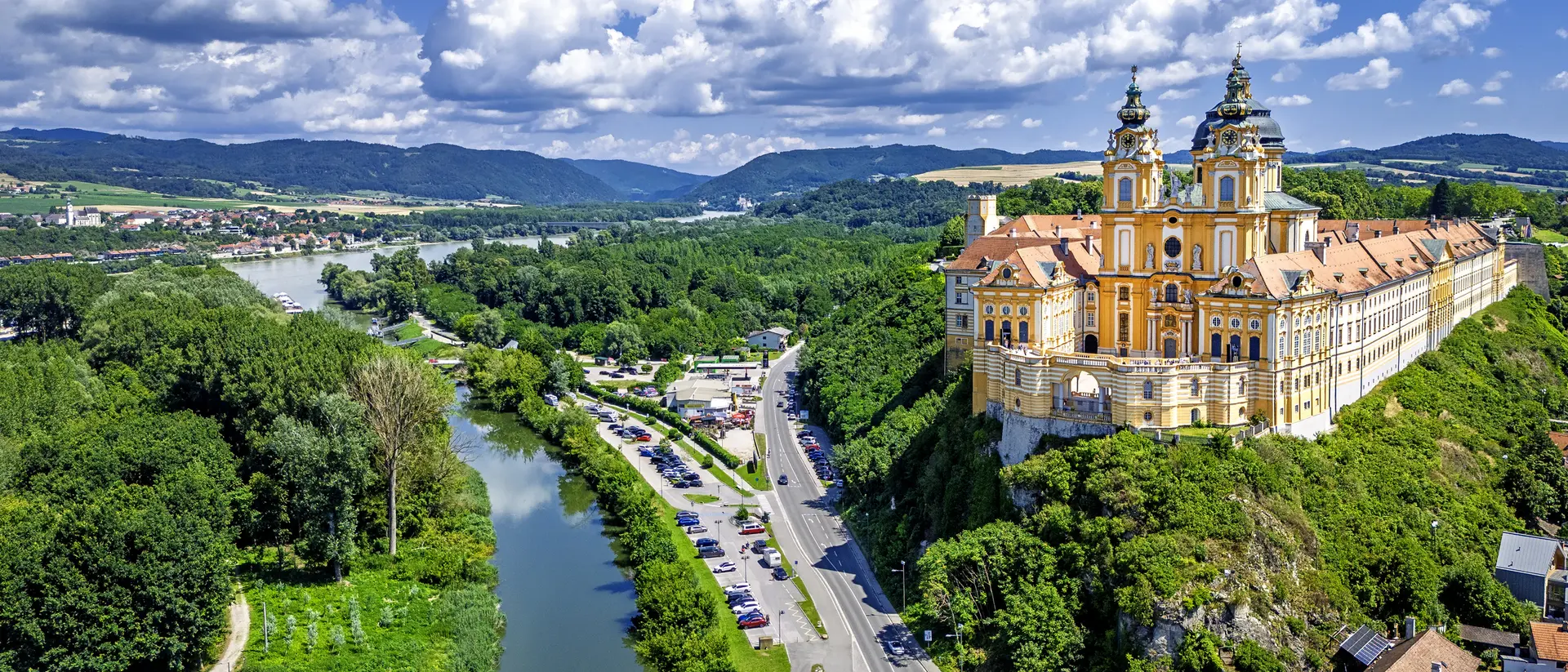
Melodies of the Danube River Cruise
Budapest and Fisherman’s Bastion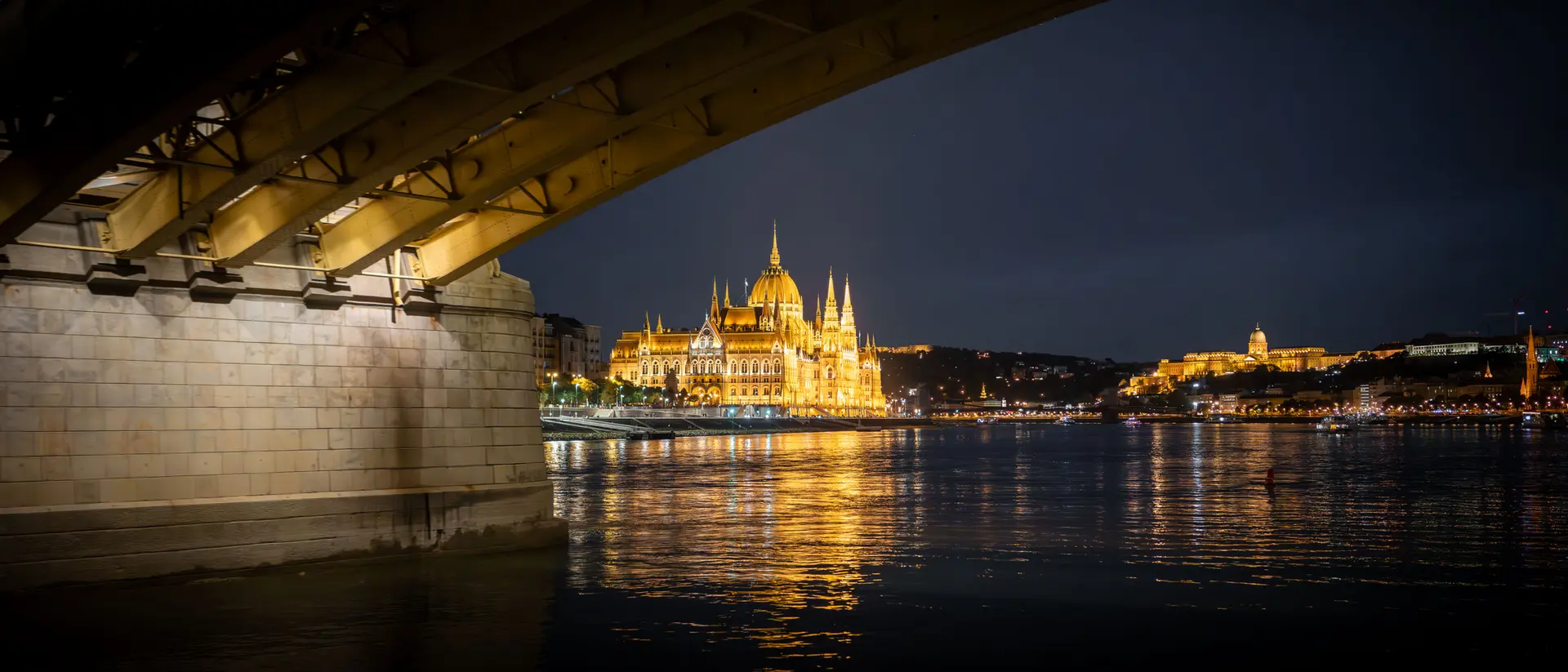
Eastern Europe Sampler: Budapest, Vienna & Prague
Prague, Vienna, Schönbrunn Palace, Budapest, and Fisherman’s Bastion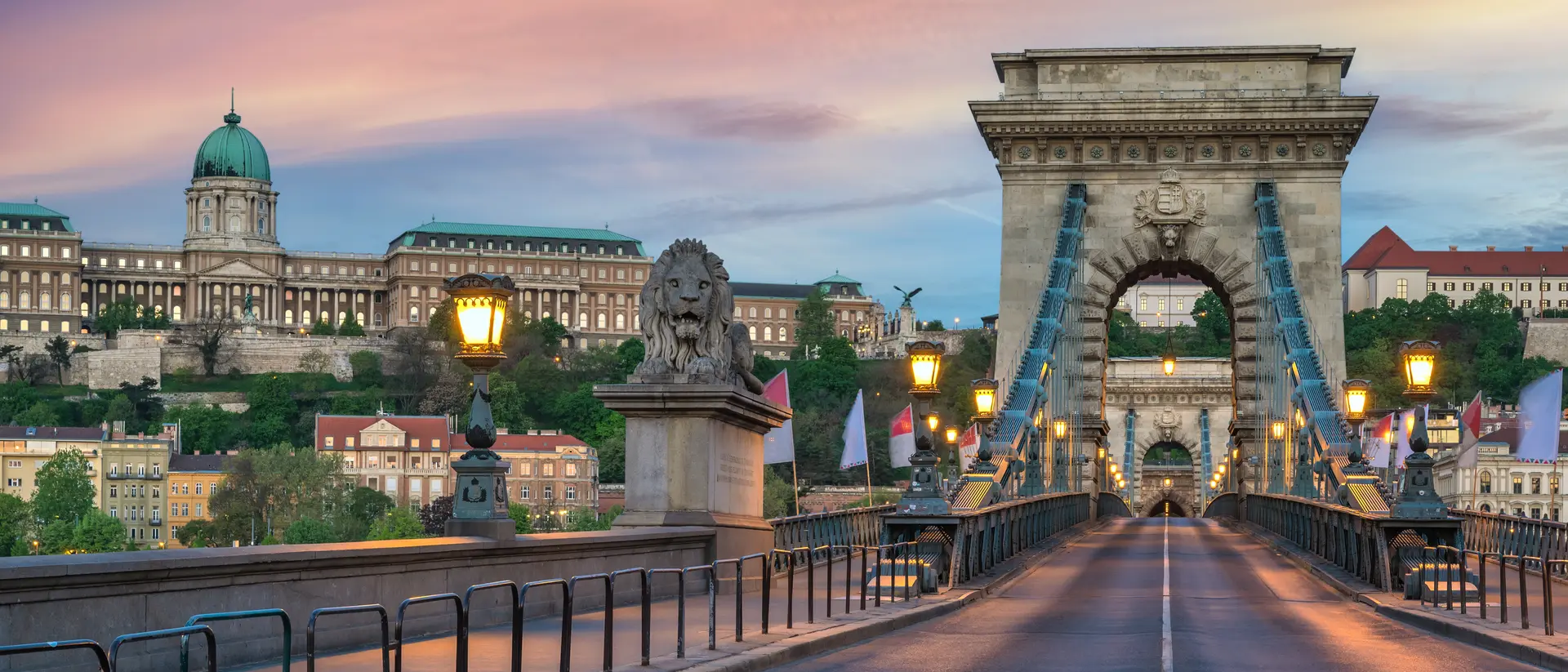
Melodies of the Danube River Cruise
Budapest and Fisherman’s BastionEastern Europe Sampler: Budapest, Vienna & Prague
Prague, Vienna, Schönbrunn Palace, Budapest, and Fisherman’s BastionTravel Stories
Get inspired about Your Trip to Hungary
Just after the server slid the bowl in front of me, my glasses began steaming up. The fumes, laden with the scent of rich beef and sweet, peppery papr...
If you ask North American globetrotters to name their dream Spanish destination, they'll likely tell you about the Gaudí spires of Barcelona, the gall...
Cruising remains one of the most popular travel styles, but European river cruising isn’t quite the same as boutique island cruises or the big ocean l...
Unlock more by subscribing to our newsletter.
With our newsletter, you’ll get access to regular communications that inspire you and help you explore the world your way.