Culture & Traditions
Step into Bulgaria's rich tapestry of history and culture.
Bulgarian is the country’s official language, and Turkish and Macedonian are spoken too. The Bulgarian Orthodox Church is the main religion in Bulgaria with nearly 70%. Nearly 12% is Muslim, and there are smaller groups of Roman Catholics, Protestants and Jews.
Bulgarian culture was shaped in part by the many struggles, occupations and fights for freedom. The Greeks and the Macedonian military general and king, Alexander the Great came to Bulgaria. By the middle of the 4th century BC the Romans defeated the Macedonian Empire and by 46 AD the Romans had conquered the Balkan Peninsula, dividing modern-day Bulgaria into provinces.
Bulgarian Empires then existed for hundreds of years until the Ottoman Turks arrived in 1362. They stuck around until Western Europe and Russia declared war on the Ottomans, who were defeated and forced to cede 60% of the Balkan Peninsula to Bulgaria in 1878.
Bulgaria declared themselves neutral in WWII but in 1941, German troops moved closer to its borders. Bulgaria refused to declare war on Russia and also refused to send Bulgarian Jews to Hitler.
At the end of WWII, the Fatherland Front, a resistance coalition, created a Communist constitution. The country prospered, but a culture of fear existed into the 1980s when Turks, Pomaks, and Roma were made to assimilate. Many people revolted and others left.
A coup in 1989 forced the resignation of the Communist party. The 1990s saw some instability and changes in government, but by 2004, Bulgaria had gained entry into NATO, and in 2007, the European Union.
Bulgarians are proud of their heritage and folklore which is passed down to the next generation by Bulgaria’s bábas and dyádos (grandmothers and grandfathers). In the lore, mythical creatures bring both joy and sorrow, a common trait to Slavic folklore tales around the world. Most stories revolve around a village and a mountain, probably due to the many mountains in the country, with forests where creatures can hide.
Travel Stories
Get inspired about Your Trip to Bulgaria

When you’re planning a trip, it’s helpful to chat with a friend or family member who has been there before. Their first-hand experience and advice is...

Welcome to 2026 and Goway’s Best in Travel for the year ahead. As the leader in tailor-made travel, we pay attention to the ever-changing conditions ...
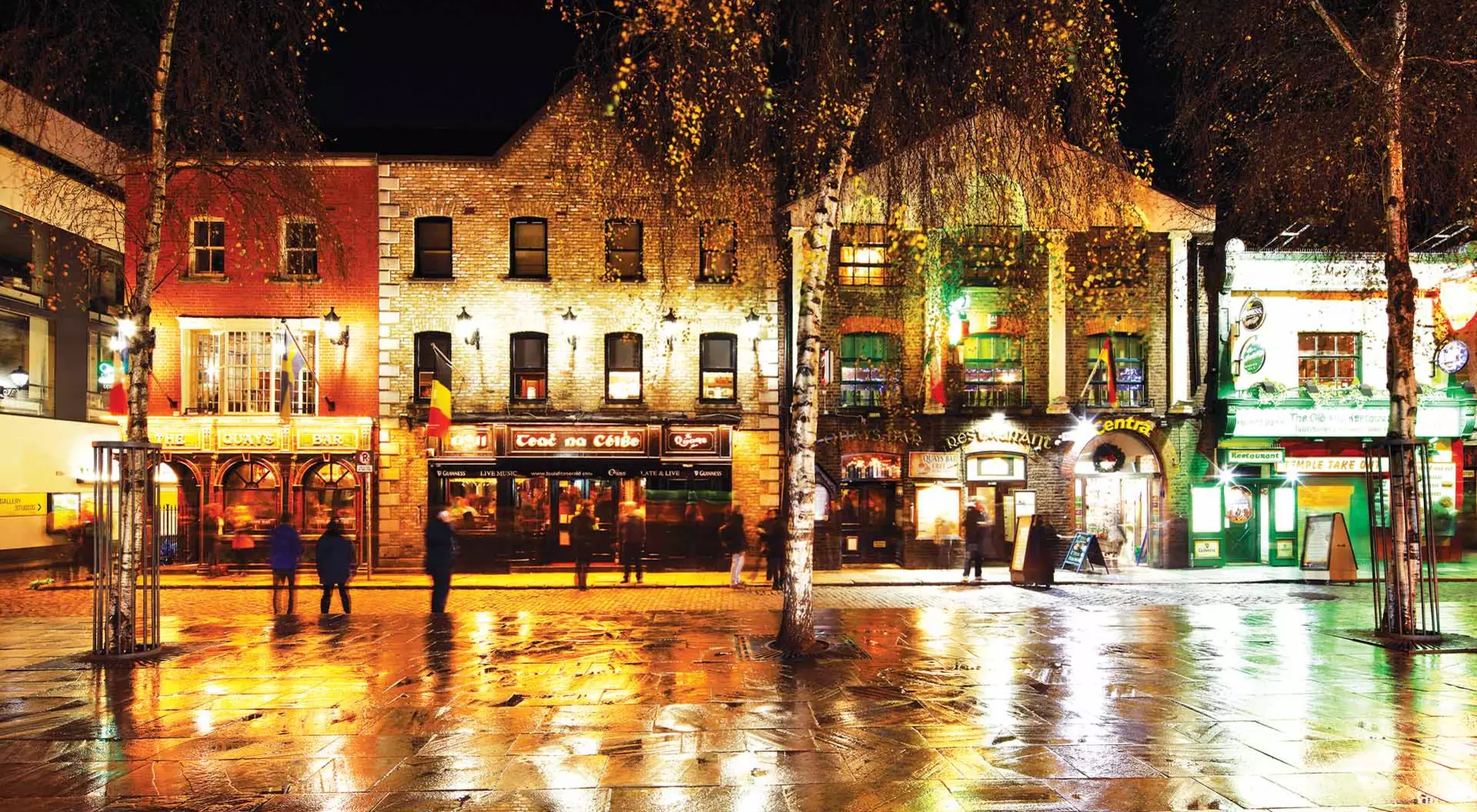
When people think of Irish cuisine, they often picture potatoes, stew, and a pint of Guinness. As a proud Irish woman from a small village in County T...
Unlock more by subscribing to our newsletter
With our newsletter, you’ll get access to regular communications that inspire you and help you explore the world your way